The Ruins of the Midwest
The Door of the Dead
Porte des Morts, the drowned strait the county forgot to translate
Don Krumpos · 2007 · ongoing
I live in a county named after a drowning.
Most people who drive up the peninsula read the word on the sign as friendly. Door County. A door is a welcome, an opening, a threshold you cross into somewhere better. Almost nobody stops to translate it. The name is not English and it is not new. It is a shortening of the French, Porte des Morts, and Porte des Morts does not mean welcome. It means the Door of the Dead.
The strait it names is a narrow, violent stretch of water at the very tip of the peninsula, between Gills Rock and Washington Island, with Plum and Pilot Islands sitting out in the channel like stones in a throat. Currents from Green Bay and currents from Lake Michigan collide there. The shoals are hidden. The coast is rock, not sand, so a ship in trouble has nowhere soft to run. For most of the nineteenth century it was one of the worst passages on the Great Lakes, and the boats that went through it knew exactly what the name meant. The county kept the name and forgot the warning. I have lived inside that forgetting my whole life without noticing it, which is a very particular kind of overlooked thing: not hidden, not lost, just worn so smooth by use that nobody reads it anymore.
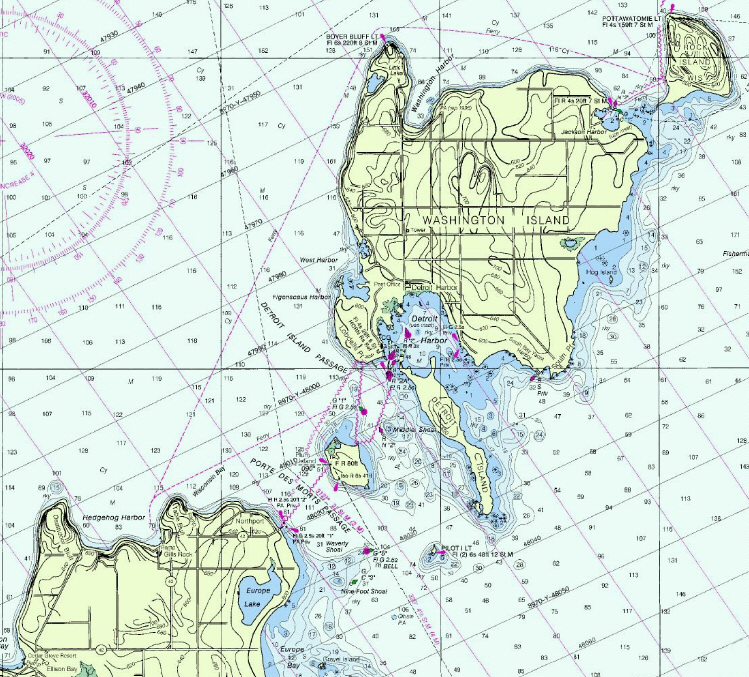
The coast the map leaves blank
Here is the part that turned this from a nice piece of local trivia into something I could not put down.
In 2021 the federal government drew a shipwreck sanctuary along the Wisconsin coast of Lake Michigan. It is a real thing, a National Marine Sanctuary, the kind of designation that comes with a name meant to last. They called it the Wisconsin Shipwreck Coast. The line they drew runs from Ozaukee County in the south up through Kewaunee. Inside that line sit roughly 36 known wrecks, with something like 59 more suspected. It is a genuine graveyard and the name fits.
But the line stops at Kewaunee. Door County, the next county up, the one with the death-name, was left off the map. Not by accident, and not quietly. The official language ruled the peninsula “well beyond the geographic scope of the originally nominated area.” So it was named, considered, and drawn out.
And Door County holds an estimated 200 to 275 wrecks, and by some counts more. Nobody can give you a clean number, because a lot of them were never found and the counts slide depending on whether you mean the strait alone or the whole peninsula, confirmed hulls or reported losses. Cite it as a range and the range still dwarfs the sanctuary. Several times as many wrecks lie off the coast that got left off the map as lie inside the coast that got the title.
Sit with that. The stretch of water officially christened the Shipwreck Coast is not the shipwreck coast. The densest ship graveyard in Wisconsin is the piece the sanctuary map leaves blank, and the blank piece is the one already named, three hundred years ago, for the dead. The map and the name are pointing at two different places, and the name got there first and got it right.
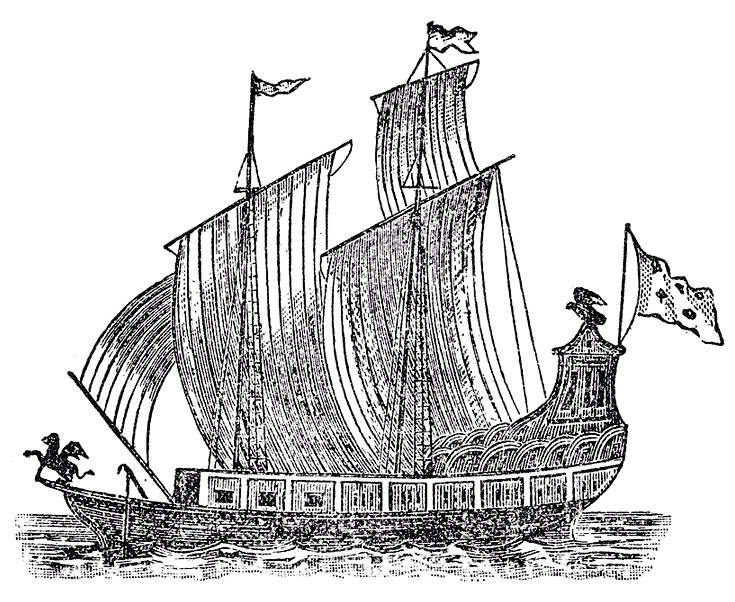
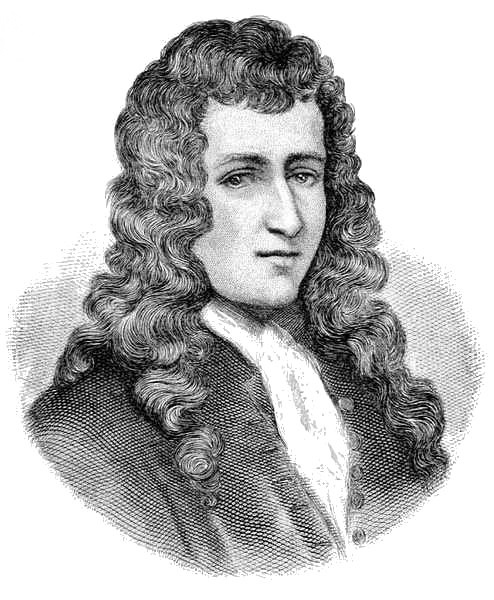
The oldest ghost in that blank water is the Griffin. La Salle built her, sailed her up the lakes in 1679, sent her back loaded with furs, and she was never seen again. She is generally counted as the first European ship ever lost on the Great Lakes, and she went missing near Washington Island, in the mouth of the Door of the Dead. People are still looking. The passage opened its account with a vanishing and has been collecting quietly ever since.
What the name is actually made of
This is where I have to be careful, because a story this good wants to be told badly, and the honest version is more interesting than the boosted one.
Start with the ships and the people, because they are not the same story. Death’s Door was a reliable killer of boats. It was a much less reliable killer of people. The maritime record for the nineteenth century, the century of the worst wrecks, is oddly thin on drownings. The historians who look closely will tell you the strait “failed to live up to its name” when it came to human loss. Crews got off. Hulls did not. So the name is not a body count. It is a reputation, and the reputation is mostly written in sunk tonnage, not gravestones.
Then there is the origin. The story you will hear on the island is that the strait earned its name long before the French, when a war party, told various ways as Potawatomi and Ho-Chunk, was caught in the current and drowned in great numbers. It is a powerful story. It is also legend, not record. It reaches us secondhand, told to fishermen in the 1840s, generations after it would have happened, with no way to verify it. There is a competing and much less romantic theory that the French coined Porte des Morts themselves, as a scare, to keep British traders off a passage they wanted for their own. Maybe both. Maybe neither. I am not going to hand you a massacre as fact to make my county sound haunted, and I am especially not going to do it with an Indigenous drowning, where the people whose story it might be deserve to be the ones telling it. The honest sentence is smaller and stranger: the water carries a death-name whose death nobody can fully account for. The name is doing the haunting. That is enough. That is, if anything, worse.
The photograph I want to make
I keep a body of work I call Spirit of Place. The rule of it is simple. You photograph the empty ground where something terrible happened, straight and plain, and you let the ordinariness of the ground do the work. No blood in the frame. The horror is entirely the viewer’s, supplied out of what they know, and refused entirely by the land, which has moved on and grown over and looks like nothing at all. A hayfield. A parking lot. Scenic water.
Death’s Door is the piece I most want to make, because for once the caption is built into the place. I do not have to explain what you are looking at. I can shoot gray November water off Door Bluff Headlands, or ride the Washington Island ferry out into the middle of the strait where the Griffin went down and Pilot Island light stands its lonely watch, and the water will photograph as a postcard, and the name underneath it will do the rest.
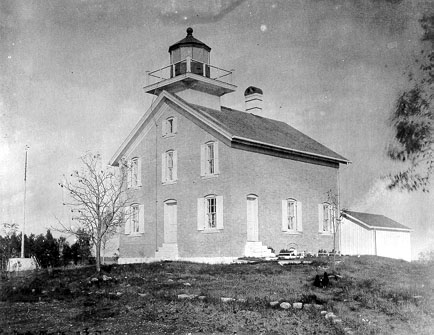
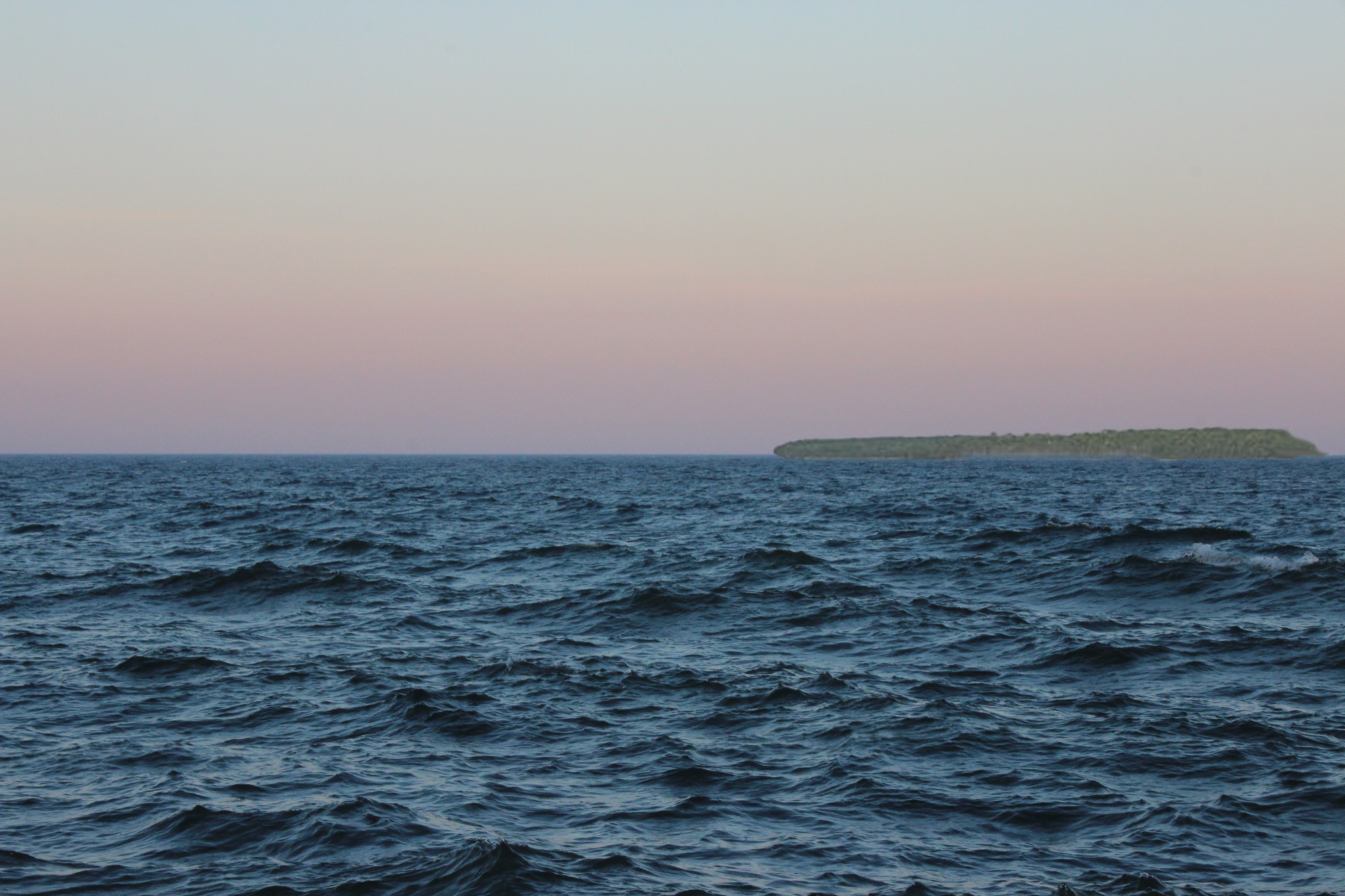
The water I already have. I made this frame years back, a gray dusk on the strait, the far island low on the horizon and the chop coming up dark, and it reads as exactly the postcard it is.
The companion to it is not a photograph. It is a small shadow theatre I am building by hand, cut paper and salvaged wood and a lamp behind a scrim, the strait told as what its name means: a passage that keeps what crosses it. What sits below is only the study, the sketch before the thing, the composition still moving.
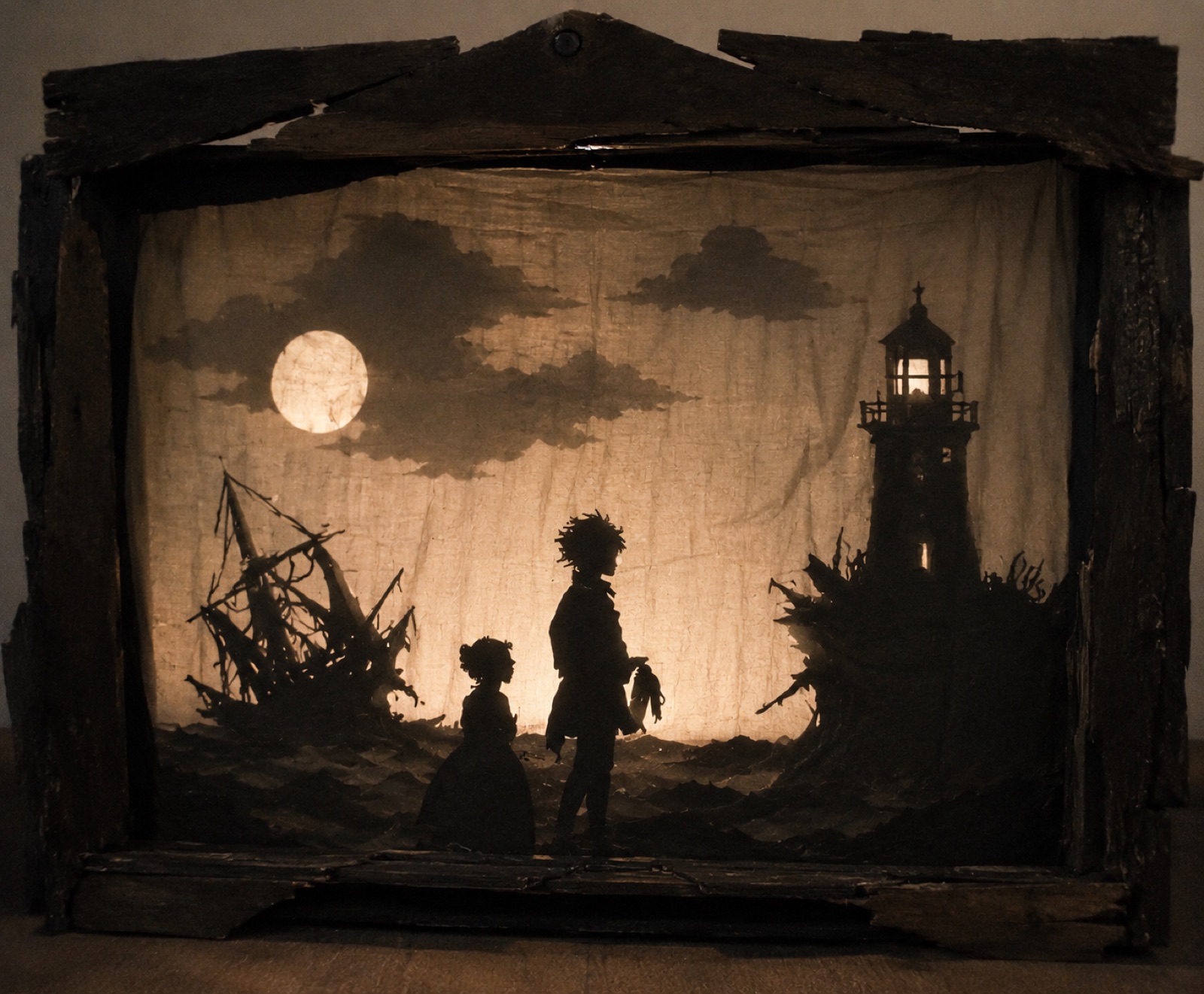
I am not there yet. The theatre is half-built and this county has a lot of gray Novembers left in it. But this is the entry in the ledger, the place I am planting the flag, because eventually I want this site to be the one place on the internet that treats the drowned coast of Door and Kewaunee and Manitowoc as what it is, the most crowded graveyard on this shore, and tells its dead accurately instead of loudly.
The map left it blank. The name never did.
This essay draws on a longer research base kept in the studio archive. It is one entry in a longer body of work on overlooked grounds of death across the upper Midwest; the sites are researched, the pieces still being made.